Understanding Online Audio Mastering
What is Online Audio Mastering?
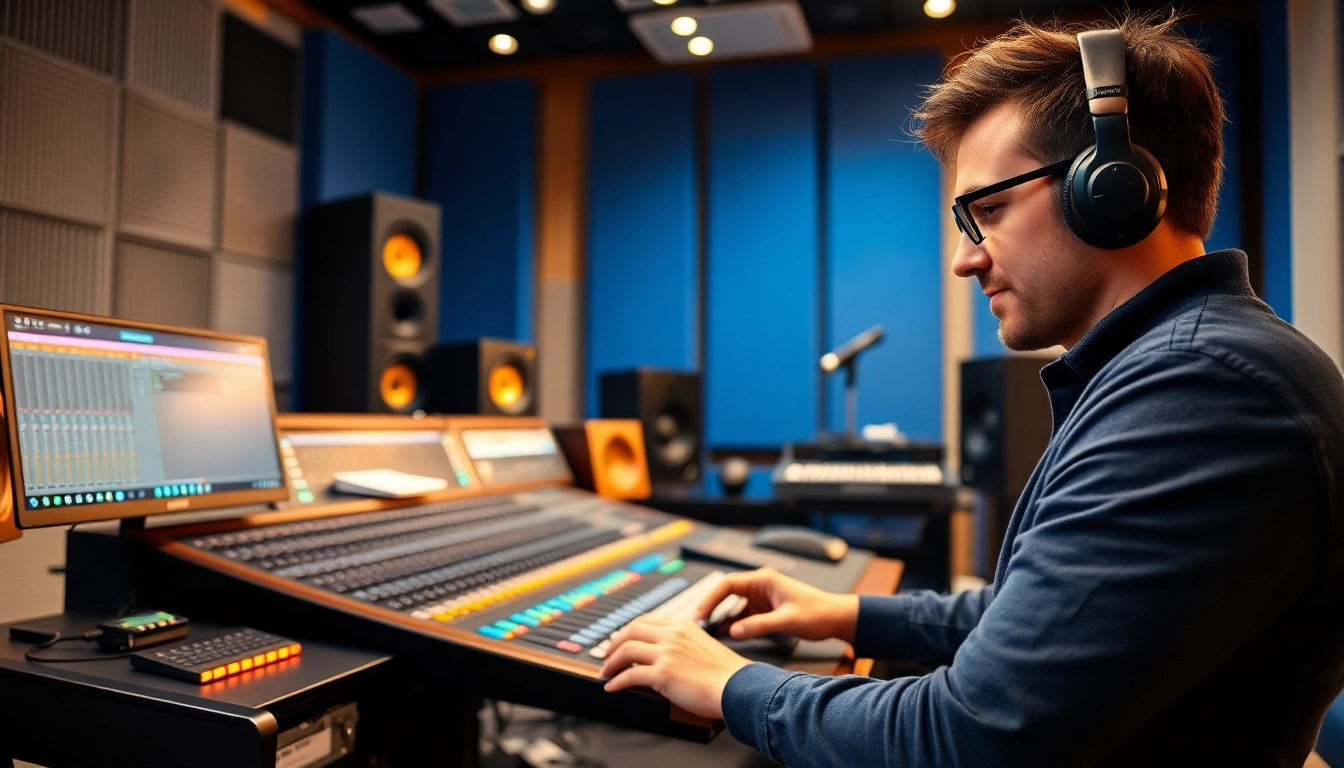
Online audio mastering is the final step in the music production process, where the mixed audio tracks are optimized for various playback systems and formats. At this stage, audio engineers make critical adjustments to ensure that the music sounds polished and professional. Unlike traditional mastering, which often takes place in a physical studio, online audio mastering allows artists to access mastering services remotely, harnessing the power of technology to enhance their work without geographical limitations.
The Importance of Mastering in Music Production
Mastering serves several crucial functions in music production. It ensures that your tracks have consistent loudness and tonal balance, preparing them for distribution across different platforms and formats. A well-mastered track can elevate the overall sound, making it more impactful and engaging for listeners. Moreover, mastering is essential for meeting industry standards, which can affect how music is received commercially. Professionally mastered tracks often have a competitive edge in the crowded music market.
Key Differences Between Mixing and Mastering
While both mixing and mastering are essential stages of the audio engineering process, they have distinct roles:
- Mixing involves combining individual audio tracks to create a stereo output, focusing on balancing levels, panning, and effects.
- Mastering is the final polish applied to that mix, aiming to enhance overall sound quality and prepare it for distribution.
The mixing process emphasizes individual elements of a song, while mastering looks at the project as a whole, ensuring cohesion and professionalism across the board.
Choosing the Right Online Audio Mastering Service
Factors to Consider When Selecting a Service
When selecting an online audio mastering service, several factors should influence your decision:
- Expertise: Look for services with experienced audio engineers familiar with your genre.
- Tools and Technology: Ensure that they utilize high-quality tools and current technology for the best results.
- Turnaround Time: Check if their turnaround times align with your deadlines to avoid any delays in your music release.
- Client Support: Reliable customer support is vital for addressing issues and questions during the process.
Comparing Features and Pricing of Services
Different online audio mastering services offer various features, including the number of revision rounds, file formats, and additional services like mixing assistance. It’s important to compare these features alongside pricing. Basic packages might appeal due to cost-effectiveness but could lack essential services or quality. Conversely, premium options could provide superior results with value-added features, making them more justifiable.
Reading Reviews and Customer Testimonials
Before settling on an online mastering service, reading reviews and customer testimonials can provide invaluable insights. Look for platforms where artists share their experiences, focusing on the quality of service, outcome satisfaction, and communication level. This can help gauge reliability and service quality, giving you confidence in your choice.
Best Practices for Online Audio Mastering
Preparing Your Tracks for Mastering
Proper preparation is essential to ensure effective online audio mastering. Here are key steps to follow:
- Final Mix Check: Ensure your mix is well-balanced and free from any mixing errors.
- Export Settings: Use appropriate sample rates and bit depths when exporting your tracks to avoid loss of quality.
- Leave Headroom: Maintain sufficient headroom (typically -6 dB) to allow the mastering engineer to work freely without clipping.
- Reference Tracks: Provide reference tracks that encapsulate the sound you aim for, helping the mastering engineer understand your vision faster.
Common Mistakes in Audio Mastering
Even seasoned producers can make errors when mastering their tracks. Some frequent mistakes include:
- Over-compression: Excessive compression can strip away dynamics, leading to a lifeless sound.
- Ignoring Frequency Balance: Not addressing frequency imbalances can result in a mix that sounds disjointed on various systems.
- Skipping References: Not using reference tracks may cause one to lose sight of achieving a competitive sound.
- Pushing Loudness Too Far: In pursuit of loudness, one can compromise unintentional distortion.
Tips for Achieving Professional Results
To achieve the best possible results during online audio mastering, consider the following tips:
- Take Your Time: Rushing through the mastering stage can lead to oversights. Allow for ample time to review options.
- Use Quality Equipment: High-quality monitors and headphones are crucial for accurately assessing your audio.
- Get a Second Opinion: Having a fresh set of ears review your mastered track can provide insights you might overlook.
- Follow Industry Standards: Familiarize yourself with loudness and format standards relevant to your distribution channels.
Tools and Software for Online Audio Mastering
Essential Mastering Plugins and Tools
Mastering requires specialized tools to refine audio effectively. Here are some essential plugins and hardware used in mastering:
- Equalizers: Plugins like parametric EQs allow precise control over frequency balance.
- Limiters: Limiters help control peak levels, ensuring tracks remain within limits while maximizing loudness.
- Multiband Compressors: These tools allow nuanced compression across frequency bands, aiding dynamic control.
- Reverb and Stereo Imaging Plugins: Enhancing spatial qualities can create depth and dimension in tracks.
Affordable DAWs for Home Mastering
If you’re tackling audio mastering from home, consider affordable Digital Audio Workstations (DAWs) that come equipped with mastering capabilities. Some popular options include:
- Reaper: A highly customizable and affordable DAW, ideal for audio editing and mastering.
- FL Studio: Known for its user-friendly interface, it offers comprehensive features for mastering tracks.
- Audacity: A free, open-source program that allows for basic mastering tasks, suitable for beginners.
Integrating AI Tools in the Mastering Process
AI technology is revolutionizing music production, including audio mastering. AI-based mastering services analyze audio tracks and apply adjustments automatically, offering a fast and efficient solution. These tools use machine learning algorithms to emulate professional mastering techniques, allowing users to achieve polished results with minimal input. While AI isn’t a complete substitute for human touch, it provides an excellent starting point, especially for independent musicians.
Measuring Success in Online Audio Mastering
Benchmarking Your Finished Product
To effectively measure the success of your mastered track, it’s important to establish benchmarks. Compare your music against industry standards, considering elements such as loudness, tonal balance, and overall clarity. Listening on different playback systems—such as professional monitors, headphones, and consumer devices—will offer a broader understanding of how well your track translates across environments.
Understanding Loudness Standards
Loudness standards, typically measured in LUFS (Loudness Units Full Scale), dictate how loud your track can get without distortion. It’s crucial to balance loudness during mastering, ensuring it meets current streaming platform recommendations while retaining dynamic quality. Different platforms like Spotify and Apple Music have their loudness targets, so being mindful of these can increase the chance of your music being presented favorably to listeners.
Gathering Feedback from Peers and Professionals
Feedback plays an essential role in mastering effectiveness. After completing your project, share the mastered track with trusted peers and professionals in the industry. They can offer insights on various components such as clarity, emotional impact, and whether it meets professional standards. Constructive criticism can help you make informed decisions for any necessary adjustments, ensuring your final product resonates with audiences.
Frequently Asked Questions
What is the average cost of online audio mastering?
The cost varies widely, ranging from $20 to over $100 per track, depending on service quality, experience levels, and additional features provided.
Can I master my own tracks online?
Yes, many online tools facilitate self-mastering, but professional services often yield more polished outcomes, leveraging expert experience and advanced technology.
How long does online audio mastering take?
Turnaround times vary; some services offer quick previews within a few hours, while standard mastering can take several days, depending on their workload.
Will lossy audio formats affect mastering quality?
Yes, lossy formats like MP3 can reduce audio quality. It is best to master using uncompressed formats such as WAV or AIFF to retain sound integrity.
Do I need to provide notes for the mastering engineer?
Providing notes on your vision for the track can help the engineer tailor their approach to better align with your expectations and artistic goals.
About the Author