Understanding Stress and Anxiety
Definition and Symptoms of Stress and Anxiety
Stress and anxiety are common psychological responses to challenging situations. While stress often arises in response to external pressures—like work demands or personal relationships—anxiety can manifest as a broader, ongoing nervousness about uncertain outcomes. Symptoms may vary but often include physical sensations such as rapid heartbeat, muscle tension, and fatigue, alongside emotional signs like irritability or persistent worry. Understanding these symptoms can be crucial for early identification and management. For more insights, explore stress and anxiety solutions.
Common Triggers of Stress and Anxiety
Various factors can trigger stress and anxiety. These can be categorized into personal, environmental, and situational triggers. Personal triggers may include life changes, such as moving to a new city or changes in relationship status. Environmental triggers often involve chaotic settings, loud noises, or crowded places. Situational triggers may include deadlines at work or upcoming exams. Acknowledging these triggers can empower individuals to better prepare for and mitigate their effects.
The Impact of Stress and Anxiety on Daily Life
The effects of stress and anxiety extend beyond emotional discomfort; they can also impair cognitive functioning and physical health. Individuals may experience difficulties concentrating, making decisions, or even remembering information. Physically, chronic stress may lead to headaches, digestive issues, and a weakened immune system. Over time, the cumulative impact of unmanaged stress and anxiety can significantly diminish quality of life, highlighting the necessity for effective coping strategies.
Identifying Your Stress and Anxiety Levels
Self-Assessment Techniques for Stress and Anxiety
Identifying personal levels of stress and anxiety can be an enlightening first step. Tools such as self-assessment questionnaires can reveal how your feelings align with typical stress and anxiety symptoms. These assessments typically cover emotional, physical, and behavioral signs. By scoring results, individuals can better understand their situation and determine whether further action is needed.
Journaling to Track Triggers and Responses
Journaling serves as an effective method to track personal triggers and responses to stress and anxiety. By committing thoughts and feelings to paper, individuals can identify patterns over time. This practice not only enhances self-awareness but also helps in processing emotions. Regular journaling can contribute to more constructive responses rather than reactive ones when stressors are encountered.
Professional Evaluation: When to Seek Help
While self-assessments and journaling are beneficial, knowing when to seek help from a mental health professional is crucial. If symptoms interfere with daily life, relationships, or personal well-being, it may be time to consult a therapist or counselor. Mental health professionals can offer tailored strategies, interventions, and support that provide deeper understanding and coping mechanisms necessary for recovery.
Practical Techniques to Alleviate Stress and Anxiety
Mindfulness and Meditation Practices
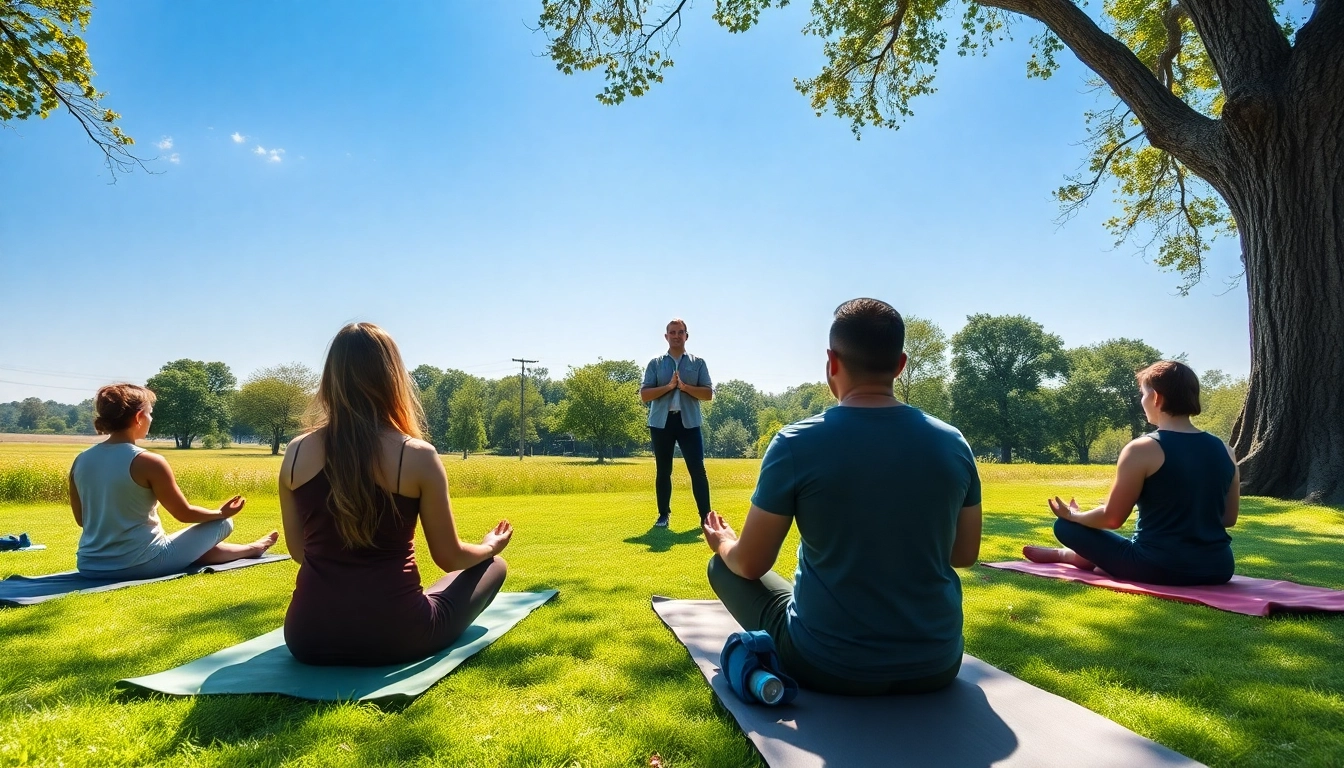
Mindfulness practices encourage living in the moment, which can significantly reduce stress and anxiety. Techniques such as meditation allow individuals to focus on their breath and quell racing thoughts. Regular meditation practice has been backed by research to not only lower stress levels but also enhance emotional regulation. Even short, daily meditation sessions can foster a greater sense of calm.
Physical Activities that Reduce Stress and Anxiety
Engaging in physical activity is one of the most effective stress-relievers. Exercise releases endorphins, which are natural mood lifters. Activities such as jogging, yoga, and swimming can enhance overall well-being and serve as powerful antidotes to stress and anxiety. Additionally, regular workouts can improve sleep quality—critical for managing stress levels.
Breathing Exercises for Instant Relief
Simple breathing exercises can provide instant relief during moments of anxiety. Techniques such as the 4-7-8 method or box breathing help regulate the nervous system, lower heart rate, and promote relaxation. By focusing on breath patterns, individuals can create a calming effect that counters feelings of panic, making these exercises invaluable tools during stressful situations.
Building a Support System
Finding the Right Therapist or Counselor
Choosing the right therapist can be a pivotal part of managing stress and anxiety. Look for professionals experienced in cognitive-behavioral therapy (CBT) or mindfulness-based approaches, as these methods have proven efficacy. It’s essential to find someone who resonates with you to foster trust and openness during sessions, allowing for deep work on anxiety-producing thoughts or situations.
The Role of Friends and Family in Coping
Building a strong support system with friends and family can further aid in coping with stress and anxiety. Open communication with loved ones can provide emotional relief and break the isolation often felt during difficult times. Encouraging one another to share thoughts, validate emotions, and even engage in activities together can foster a nurturing environment that alleviates mental burdens.
Joining Support Groups for Shared Experiences
Support groups provide a community of individuals facing similar challenges. Sharing experiences and strategies for coping can significantly enhance feelings of isolation, offering camaraderie and understanding. Many find that these groups offer practical tools for managing stress and anxiety as members discuss their journeys and coping mechanisms.
Long-Term Strategies for Managing Stress and Anxiety
Creating Healthy Lifestyle Habits
Establishing healthy habits contributes significantly to long-term stress and anxiety management. Prioritizing sufficient sleep, maintaining a balanced diet, and integrating regular physical activity can enhance resilience against stressors. Adopting a proactive approach to health by making small adjustments can lead to profound changes in emotional and physical well-being over time.
Setting Realistic Goals and Boundaries
Setting clear, achievable goals is essential in managing stress and anxiety. Overcommitting can lead to feelings of inadequacy and heightened anxiety levels. Learn to set boundaries, recognizing your limits, and practicing saying 'no' when necessary. Establishing a balance between responsibilities and self-care not only supports mental health but also produces greater life satisfaction.
Utilizing Relaxation Techniques for Everyday Life
Implementing relaxation techniques such as progressive muscle relaxation or guided imagery into daily routines can greatly reduce ongoing stress and anxiety. These techniques provide quick relief from overwhelming moments, enabling individuals to reset and refocus. Over time, regularly practicing such techniques can lead to a more balanced emotional state, even in stressful environments.
Frequently Asked Questions
What are the primary symptoms of stress and anxiety?
Common symptoms include excessive worry, fatigue, irritability, muscle tension, and trouble concentrating. Physical manifestations can also include headaches or gastrointestinal issues.
How can I identify my personal triggers?
Keep a daily journal to note when you feel stressed or anxious. By reviewing your entries, you may identify patterns or specific triggers that impact you frequently.
When should I seek professional help?
Consider seeking help when stress and anxiety disrupt your daily life, affect your relationships, or feel unmanageable. A mental health professional can offer needed support.
Are there quick stress relief techniques I can use in a pinch?
Yes! Techniques like deep breathing, stretching, or engaging in a brief mindfulness exercise can quickly reduce anxiety and provide immediate relief.
Can lifestyle changes really impact stress and anxiety levels?
Absolutely! Healthy lifestyle choices, like balanced nutrition and regular exercise, can significantly lower stress and anxiety levels over time by improving overall well-being.