What is Paint Protection Film?
Definition and Purpose
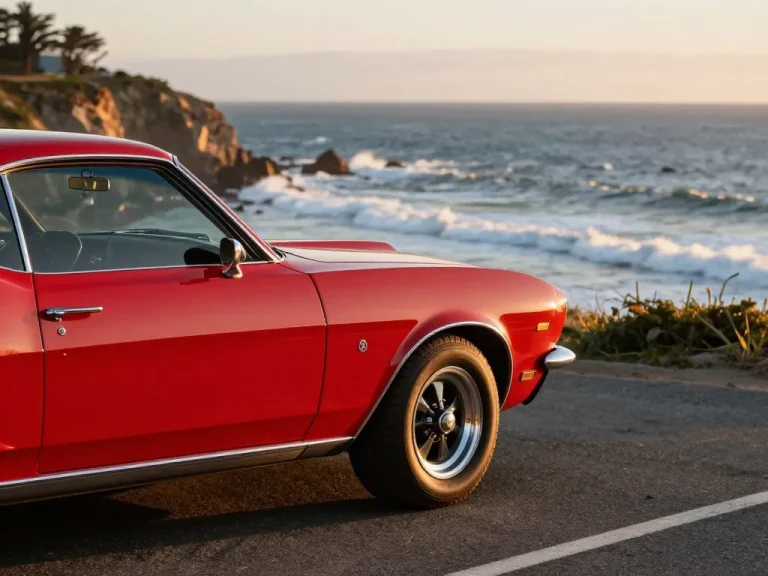
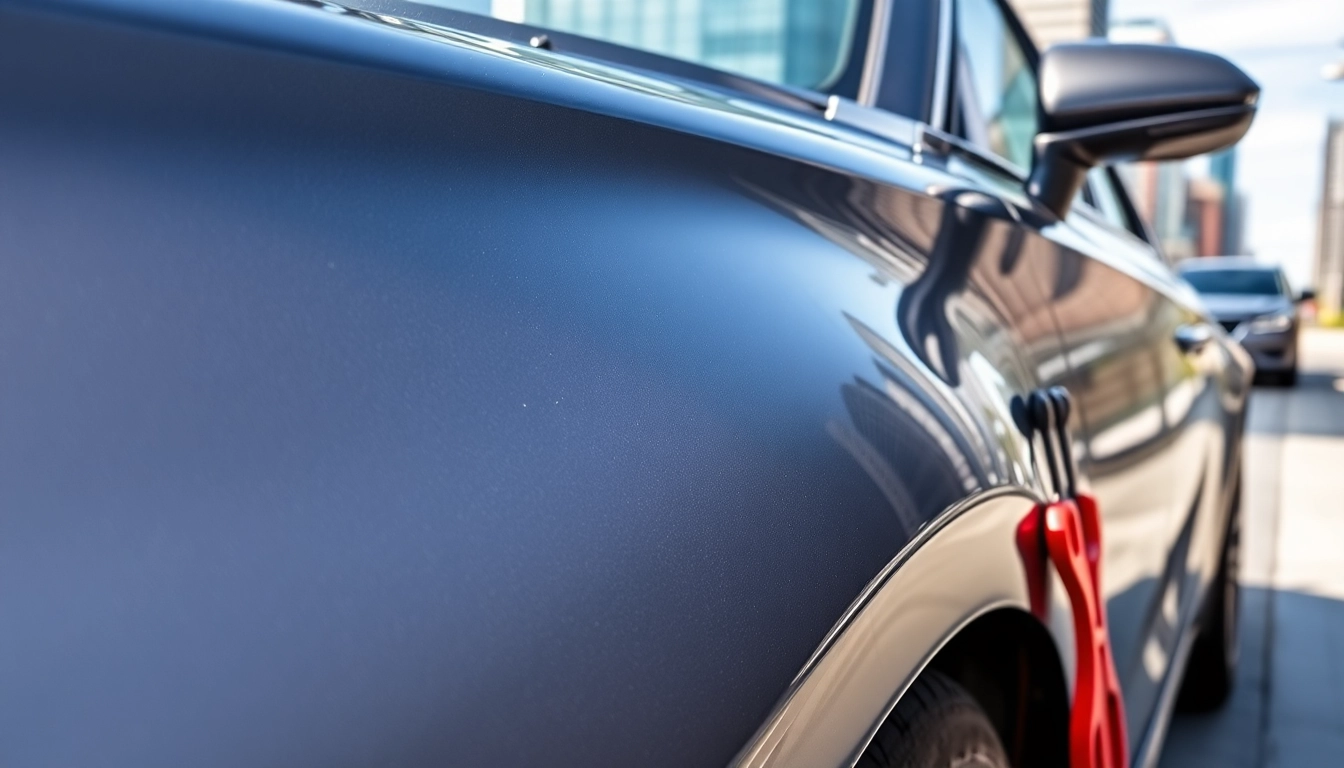
Paint protection film (PPF) is a transparent, durable material applied to the exterior surfaces of vehicles to protect the factory paint from damage caused by road debris, scratches, and environmental factors. Its purpose is to provide a robust barrier against contaminants while enhancing the vehicle’s appearance by maintaining a high-gloss finish. Whether you’re driving through icy roads, rural terrains, or bustling city streets, this film serves as your first line of defense against the elements.
Types of Paint Protection Films
Various types of paint protection films are prevalent in the automotive market, each designed for specific applications and performance levels. The two primary categories include:
- Self-Healing Films: These high-end films contain a unique top layer that is capable of healing itself from minor scratches when exposed to heat, making them an excellent option for those who want a virtually maintenance-free solution.
- Traditional Films: More cost-effective than self-healing options, traditional films provide solid protection but may require more care as they can develop scratches over time.
Benefits of Using Paint Protection Film
Investing in paint protection film offers numerous benefits:
- Protection Against Damage: PPF can significantly reduce the risk of paint chips, scratches, and UV damage, preserving your vehicle’s aesthetic appeal.
- Enhanced Resale Value: A well-maintained car with original paint will attract more buyers, thereby potentially increasing its resale value.
- Easy Maintenance: The film is easy to clean and resistant to staining, which means less time spent maintaining your car’s beauty.
- UV Protection: Many PPFs are designed to filter out harmful UV rays, which can fade and deteriorate your car’s paint over time.
How to Choose Paint Protection Film Near Me
Factors to Consider
Choosing the right paint protection film involves several considerations:
- Quality and Performance: Research the film materials for durability and clarity. Premium films often come with warranties and self-healing properties.
- Installation Expertise: Assess the expertise of the installers. Poor installation can lead to bubbling, peeling, and reduced effectiveness.
- Reviews and Recommendations: Seek feedback from previous customers to gauge the experiences and satisfaction levels with different providers.
Local Supplier Comparison
Finding the right paint protection film near me involves comparing local suppliers. Explore their offerings, ask about product lines, and see examples of installations. Pay attention to warranty options and customer service quality, ensuring you find a reputable and reliable supplier.
Understanding Pricing
Pricing for paint protection film varies based on several factors, including the type of film, the area of application (full vehicle vs. partial coverage), and the installer’s expertise. Generally, you can expect to pay anywhere from $500 to $2,000 depending on these aspects. It’s crucial to balance cost with quality—cheaper might not always mean better in the long run.
Installation Process of Paint Protection Film
Preparation Steps for Installation
A successful installation begins with thorough preparation:
- Clean the Surface: The car must be washed and dried completely to remove dirt, grease, and debris.
- Inspect the Paint: Check for any pre-existing damage that may impact film adhesion.
- Temperature Control: Ensure the environment is optimal (around 70°F) for installation to minimize issues with adhesion.
Professional vs. DIY Installation
While some car enthusiasts may consider DIY installation to save costs, professional installation is recommended for optimal results. Professionals have the tools and experience to ensure proper application, reducing the likelihood of bubbles or misalignment. For those keen on DIY, be prepared for a steep learning curve and the possibility of inefficiencies unless you’re well-practiced.
Post-Installation Care
After installation, appropriate care is vital to maintain the film’s integrity:
- Avoid Washing: Do not wash the vehicle for at least 48 hours post-installation to allow for proper bonding.
- Regular Maintenance: Scheduled washings and gentle cleaning agents will keep both the paint and the film looking pristine.
- Inspect for Damage: Regularly check the film for any signs of peeling or damage to catch issues early.
Common Misconceptions About Paint Protection Film
Debunking Myths
Several myths surrounding paint protection film can impact owner decisions:
- It Never Needs Maintenance: While PPF can reduce upkeep, it still requires regular care to maintain its effectiveness.
- Only for New Cars: Paint protection film can benefit both new and used cars, preventing further wear on older paint.
- It Discolors Over Time: High-quality films maintain clarity and do not yellow unless improperly installed or cared for.
Real vs. Fake Products
The market has both authentic and counterfeit paint protection films. It’s essential to source from reputable suppliers to ensure you’re getting a quality product. Inquire about certifications or warranties that back the film’s performance to avoid investing in a subpar option.
Understanding Warranty and Durability
Most reputable paint protection films come with warranties ranging from 5 to 10 years, depending on the manufacturer. Durability directly correlates with the materials used in the film. Investing in high-quality options can save you the hassle and costs associated with replacements.
Frequently Asked Questions
1. How long does paint protection film last?
Paint protection film typically lasts 5-10 years, depending on the quality and maintenance.
2. Can I wash my car after applying paint protection film?
Yes, but wait at least 48 hours after installation for best results.
3. Does paint protection film affect the car’s paint?
No, it protects the original paint while enhancing gloss and shine.
4. Is paint protection film visible on the car?
When properly installed, it’s nearly invisible, allowing the car’s color to shine through.
5. How do I maintain my paint protection film?
Regular washes and avoiding strong chemicals will maintain its appearance and effectiveness.
About the Author