Understanding the Basics of Sports Broadcasting
What is Sports Broadcasting?
Sports broadcasting is a method of delivering athletic events and related content to an audience through various media channels, primarily television, radio, and the internet. It encompasses live coverage of events, highlights, analysis, and commentary, allowing fans to engage with their favorite sports and athletes. The importance of Sports Broadcasting extends beyond entertainment; it serves as a crucial platform for sports marketing, sponsorship, and fan engagement.
The Role of Technology in Sports Broadcasting
Technology has revolutionized the landscape of sports broadcasting. Innovations in high-definition video, audio equipment, and digital streaming capabilities have elevated the viewer experience to unprecedented levels. From cameras that capture every angle to drones that provide aerial views, the integration of such technologies enhances storytelling and brings fans closer to the action. Additionally, tools like augmented reality and virtual reality are being integrated to offer immersive experiences, allowing viewers to feel as if they are part of the event.
Key Terminology in Sports Broadcasting
Understanding sports broadcasting requires familiarity with specific terminologies. Key terms include:
- Broadcast Rights: The legal permissions granted to networks for airing live events.
- Play-by-Play: The live commentary that describes the action during a game.
- Color Commentary: Expert analysis and insights provided alongside play-by-play coverage.
- Live Streaming: Real-time broadcasting of events via the internet, allowing for immediate viewer engagement.
- Production Crew: The team responsible for the overall execution of a broadcast, including camera operators and directors.
Setting Up a Successful Sports Broadcasting Studio
Essential Equipment for Sports Broadcasting
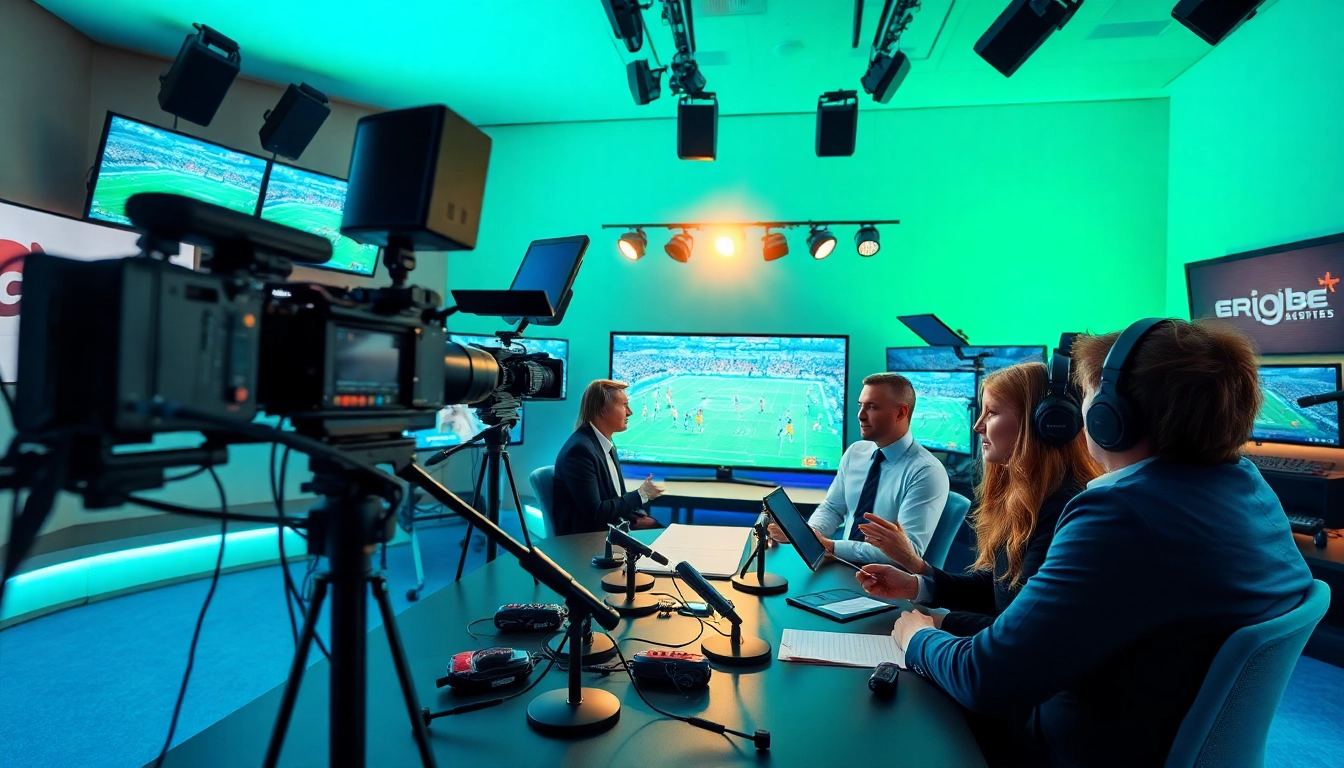
Establishing a sports broadcasting studio requires careful selection of equipment to ensure high-quality production. Essential gear includes:
- Cameras: High-definition cameras are crucial for capturing live events. Multiple cameras might be necessary to cover different angles.
- Microphones: Quality audio is just as important as visuals. Lavalier mics for interviews and shotgun mics for ambient sounds are common choices.
- Switchers: Video switchers enable the seamless transition between different camera feeds during live broadcasts.
- Broadcasting Software: Software for video editing, live streaming, and graphics integration enhances the production value.
- Lighting: Proper lighting equipment ensures optimal video quality, especially in indoor settings.
Designing Your Broadcasting Space
A well-designed broadcasting studio is crucial for creating an inviting atmosphere and effective workflow. Important considerations include:
- Soundproofing: Soundproofing materials minimize background noise and ensure clear audio quality.
- Layout: A logical layout allows crew members to move freely and execute their roles without confusion.
- Set Design: The visual aesthetic of the studio, including branding elements, sets the tone and engages viewers.
- Technology Integration: Ensure all technological aspects, from lighting to broadcasting equipment, are seamlessly integrated into the studio design.
Creating an Engaging Atmosphere
The atmosphere in the studio can significantly impact the broadcast quality and viewer engagement. Consider incorporating:
- Dynamic Backgrounds: Use LED screens or artistic backdrops to create visual interest.
- Interactive Elements: Engage audiences with interactive graphics and polls that encourage viewer participation.
- Comfortable Seating: Ensure that hosts and guests are situated comfortably to promote an engaging discussion.
Building an Audience for Sports Broadcasting
Marketing Your Sports Broadcasting Channel
Effective marketing strategies are essential for growing your audience. Consider these approaches:
- Content Production: Provide diverse content, including highlights, memes, and behind-the-scenes footage, to attract and retain viewers.
- Partnerships: Collaborate with established sports organizations, influencers, and brands for cross-promotion.
- Advertising: Utilize targeted ads on platforms like Google and social media to reach potential viewers.
Understanding Your Target Audience
A deep understanding of your audience’s interests, demographics, and viewing habits is vital. Use surveys, analytics, and social media listening tools to gather insights and tailor your content accordingly. Factoring in age, gender, and geographical location can drive content strategy and improve viewer connection.
Utilizing Social Media for Engagement
Social media platforms are invaluable for audience engagement and promotion. Strategies include:
- Real-time Interaction: Engage viewers with live chats during broadcasts or Q&A sessions on platforms like Instagram or Twitter.
- Shareable Content: Create shareable graphics, quotes, and summary videos to reach a broader audience.
- Consistent Posting Schedule: Regular posts maintain engagement and keep your audience informed about upcoming events.
Innovative Techniques in Sports Broadcasting
The Impact of Augmented Reality in Broadcasting
Augmented reality (AR) overlays digital information onto the real world and is transforming how sports broadcasts are delivered. Applications include virtual graphics during live games, allowing detailed stats and player info to enhance viewers’ comprehension and enjoyment of the game.
Utilizing Data Analytics for Enhanced Coverage
Data analytics plays a critical role in sports broadcasting. By analyzing viewer data, networks can tailor content to meet audience interests, improve engagement, and offer personalized experiences. Furthermore, statistics generated from games can be leveraged to enhance commentary and enrich viewer understanding of key plays and strategies during broadcasts.
Live Streaming: The Future of Sports Broadcasting
Live streaming represents a monumental shift in how sports are consumed. It allows viewers to watch their favorite events on demand, providing greater flexibility and accessibility. Enhancing interactivity through live chats, social media integration, and real-time polling creates a dynamic viewing experience that traditional broadcasts often lack.
Measuring Success in Sports Broadcasting
Key Performance Metrics to Track
To evaluate the effectiveness of your sports broadcasting efforts, monitor key performance indicators (KPIs) such as:
- Viewership Ratings: Track the number of viewers tuning in, both live and on-demand.
- Engagement Rate: Measure interactions, comments, and shares across various platforms.
- Revenue Growth: Analyze income from ads, subscriptions, and sponsorships to gauge financial success.
Evaluating Audience Interaction
Understanding how your audience interacts with your content is critical for improvement. Track comments, shares, and likes to assess content performance across platforms. Audience feedback can provide insightful data to refine tactics and strengthen viewer relationships.
Adjusting Strategies Based on Feedback
Use audience feedback to drive content and production adjustments. Implement surveys and direct outreach to learn what your viewers enjoy or wish to see more of. Continuously evolve your approach based on this feedback to enhance viewer satisfaction and loyalty.
FAQs
What equipment do I need for sports broadcasting?
To start sports broadcasting, you need a reliable camera, microphone, and broadcasting software. A strong internet connection is crucial.
How can I grow my audience in sports broadcasting?
Engage on social media, collaborate with other broadcasters, and provide quality content to attract and retain viewers.
What role does technology play in sports broadcasting?
Technology enhances the viewing experience through high-definition broadcasts, real-time statistics, and interactive elements.
Is live streaming essential for sports broadcasting?
Yes, live streaming engages viewers directly and allows for real-time interaction, enhancing the overall experience.
How do I measure success in sports broadcasting?
Track engagement metrics, viewer counts, feedback, and social media interactions to analyze your success and areas for improvement.
About the Author